


The digital art world has experienced a dramatic transformation over the past few years, driven by blockchain technology and the emergence of non-fungible tokens (NFTs). Among the platforms that reshaped how artists and collectors interact, hicetnunc art stands out as a powerful symbol of decentralization, accessibility, and creative freedom. What began as a minimalist experiment on the Tezos blockchain quickly evolved into a vibrant, global ecosystem that challenged traditional digital art marketplaces.
This in-depth guide explores the origins, philosophy, technical foundation, community culture, controversies, and lasting influence of hicetnunc art. Whether you are an artist, collector, investor, or simply curious about digital culture, understanding this movement offers valuable insight into the broader NFT landscape.
What Was Hicetnunc?
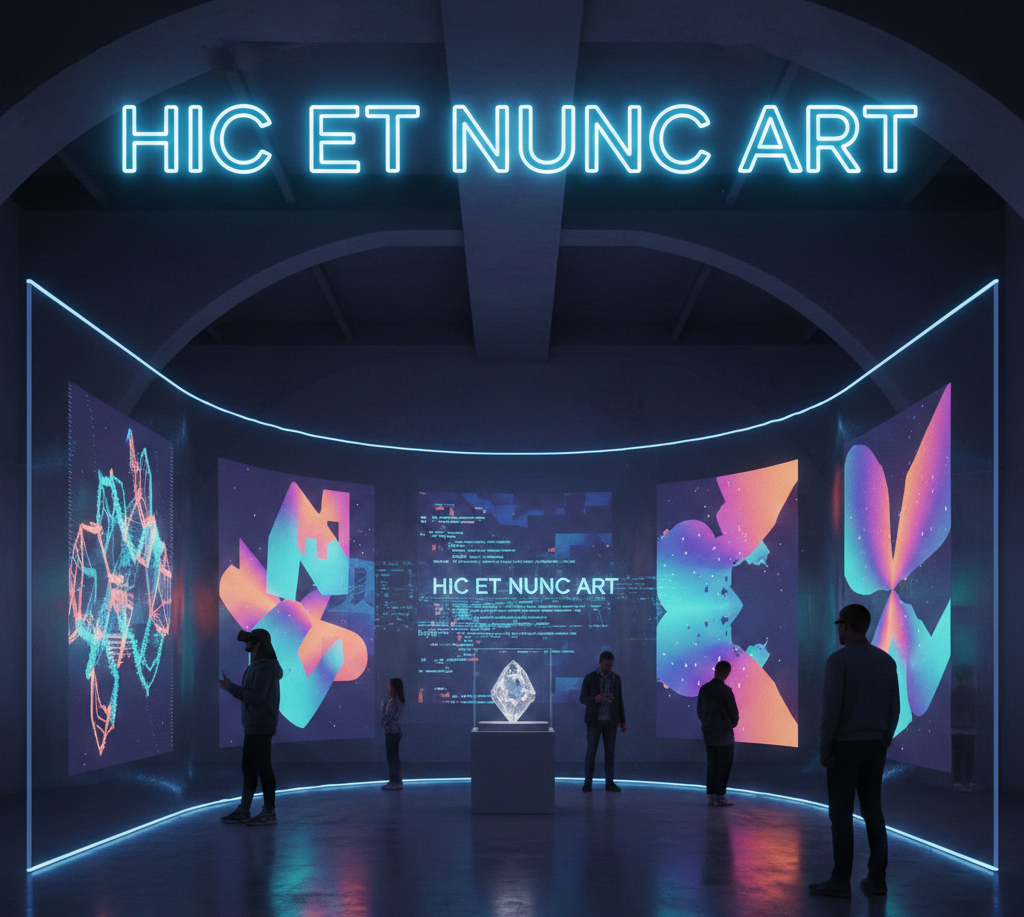
Hic et Nunc was a decentralized NFT marketplace launched in March 2021 on the Tezos blockchain. The name “Hic et Nunc” is Latin for “here and now,” reflecting its focus on immediacy and present-moment creativity.
Unlike many high-profile NFT platforms that prioritized exclusivity and celebrity drops, Hic et Nunc embraced openness. Anyone could mint NFTs without invitation or approval. The interface was simple, almost stark, but that simplicity became part of its charm.
The platform quickly gained traction among experimental artists, coders, generative designers, photographers, and digital creators seeking a more affordable and environmentally conscious alternative to Ethereum-based marketplaces.
The Role of Tezos in Hicetnunc Art
Tezos played a crucial role in the success of hicetnunc art. Tezos is a proof-of-stake blockchain known for:
- Lower energy consumption compared to proof-of-work systems
- Minimal transaction fees
- Faster confirmation times
- Community governance
These characteristics made it attractive to artists who were concerned about environmental impact and high minting costs elsewhere. On Ethereum, minting could cost hundreds of dollars during peak times. On Tezos, it often cost only a few cents.
This affordability democratized participation. Emerging artists from around the world, including regions with limited financial resources, were suddenly able to experiment with NFTs.
The Philosophy Behind Hicetnunc Art
At its core, hicetnunc art was not just about selling digital assets. It was about:
- Decentralization
- Creative autonomy
- Low barriers to entry
- Community-driven evolution
There was no corporate gatekeeping. No curated elite lists. No aggressive branding. The platform functioned more like a digital commons than a traditional marketplace.
Artists could mint freely, experiment with editions, test interactive media, and push boundaries without worrying about approval from centralized authorities.
This ethos attracted a strong underground culture that valued experimentation over speculation.
How Hicetnunc Worked
The user experience of hicetnunc art was intentionally minimal. Users connected their Tezos-compatible wallets and could:
- Mint NFTs
- Set edition sizes
- Define royalties
- List items for sale
- Collect works from others
There were no flashy promotional banners or algorithmic feeds. The interface felt raw and community-built, reinforcing its grassroots identity.
Smart contracts handled minting and ownership transparently on-chain. This ensured verifiable provenance and immutable records of transactions.
Types of Art Found on Hicetnunc
One of the most compelling aspects of hicetnunc art was its diversity. The platform became known for:
1. Generative Art
Algorithmically generated visuals were especially popular. Artists used code to create evolving, interactive, or randomized artworks.
2. Glitch Art
Digital distortion and experimental aesthetics flourished within the community.
3. 3D Animations
Looping animations and surreal visual experiments became collector favorites.
4. Photography
Contemporary photographers used the platform to tokenize limited digital editions.
5. Audio-Visual Experiments
Multimedia projects blurred the lines between sound, motion, and visual storytelling.
The creative freedom allowed for artistic risk-taking rarely seen in more commercial NFT environments.
Community Culture and Collaboration
Hicetnunc art developed a strong, supportive online community. Artists frequently:
- Promoted each other’s work
- Hosted collaborative minting events
- Organized themed drops
- Built derivative tools and analytics platforms
The culture emphasized participation over profit. Many collectors were artists themselves, reinvesting into the ecosystem.
Online discussions often revolved around creative technique, coding methods, and philosophical debates about decentralization rather than purely financial speculation.
Environmental Considerations
One major criticism of NFTs in general has been environmental impact. Platforms built on proof-of-work chains faced backlash due to high energy consumption.
Tezos’ proof-of-stake model significantly reduced energy usage per transaction. This attracted environmentally conscious artists who wanted to align their digital practice with sustainability values.
For many creators, hicetnunc art represented a more responsible way to engage with blockchain technology.
The Shutdown and Community Response
In November 2021, the founder of Hic et Nunc unexpectedly announced the shutdown of the platform. This caused shock throughout the NFT community.
However, because the smart contracts and data lived on the blockchain, the art itself did not disappear. Community developers quickly stepped in to rebuild front-end interfaces and restore accessibility.
Several successor platforms emerged, preserving the spirit and infrastructure of hicetnunc art. This moment demonstrated the power of decentralization: even if the original website vanished, the ecosystem could survive.
Successor Platforms
After the shutdown, new interfaces and marketplaces appeared, including:
- Teia
- Objkt
These platforms carried forward the contracts and community established by Hic et Nunc. They expanded features while maintaining low fees and open participation.
The transition proved that decentralized art platforms can outlive individual founders.
Hicetnunc Art vs. Ethereum Marketplaces
To understand its significance, it helps to compare hicetnunc art with Ethereum-based platforms like OpenSea.
| Feature | Hicetnunc | OpenSea |
|---|---|---|
| Blockchain | Tezos | Ethereum |
| Fees | Very Low | Higher (especially during congestion) |
| Environmental Impact | Lower | Higher (historically proof-of-work) |
| Entry Barrier | Open | Open, but more competitive |
| Culture | Experimental | More commercial |
While OpenSea achieved larger transaction volumes, Hic et Nunc cultivated a more experimental niche culture.
Economic Model and Pricing
Hicetnunc art often embraced affordable pricing. Many works sold for small amounts of Tezos, encouraging collecting as participation rather than speculation.
Edition sizes varied widely. Some artists released single editions, while others minted open or limited runs.
This flexibility allowed creators to experiment with scarcity models without heavy financial pressure.
Technical Infrastructure
The technical backbone of hicetnunc art included:
- Smart contracts deployed on Tezos
- IPFS (InterPlanetary File System) for decentralized storage
- Wallet integrations for authentication
- Community-built analytics dashboards
Because the system relied heavily on open infrastructure, developers were able to rebuild interfaces quickly after the original shutdown.
Why Hicetnunc Art Matters
The impact of hicetnunc art extends beyond its lifespan. It proved several key ideas:
- NFTs can be affordable and inclusive.
- Decentralized systems can survive central failures.
- Artistic communities can thrive without heavy corporate branding.
- Blockchain technology can empower experimental digital culture.
Its influence reshaped expectations around NFT marketplaces and inspired alternative models.
Challenges and Criticisms
Despite its strengths, hicetnunc art faced challenges:
- Minimal moderation
- Market saturation
- Quality variation
- Speculative cycles
Open minting meant not all content met high artistic standards. Discoverability could also be difficult due to the simple interface.
However, supporters argued that openness was a feature, not a flaw.
The Artist Experience
For creators, hicetnunc art offered:
- Immediate publishing
- Low financial risk
- Transparent royalty structures
- Direct engagement with collectors
This environment empowered experimentation. Artists could test ideas without worrying about rejection from curated platforms.
The Collector Perspective
Collectors appreciated:
- Lower entry prices
- Unique experimental works
- Community engagement
- Sustainable blockchain alignment
Many collectors became long-term supporters of specific artists, forming micro-communities within the platform.
Cultural Impact on the NFT Space
Hicetnunc art influenced broader conversations about:
- Sustainable blockchain usage
- Decentralized governance
- Community resilience
- Alternative marketplace models
Even after its shutdown, its philosophy continues to shape Tezos-based NFT ecosystems.
Lessons from Hicetnunc Art
The story of hicetnunc art offers valuable lessons:
- Decentralization provides resilience.
- Simplicity can be powerful.
- Community culture defines platform identity.
- Accessibility expands creative diversity.
Its rapid growth and dramatic shutdown became one of the defining narratives of early NFT history.
The Future of Decentralized Digital Art
While the original Hic et Nunc interface no longer operates as it once did, its spirit lives on through successor platforms and community initiatives.
As blockchain technology evolves, artists continue to explore:
- On-chain generative art
- Decentralized autonomous organizations (DAOs)
- Cross-chain interoperability
- Sustainable minting solutions
The legacy of hicetnunc art remains a guiding example of how digital communities can build, adapt, and endure.
Conclusion
Hicetnunc art was more than just an NFT marketplace. It represented a movement rooted in decentralization, accessibility, and creative experimentation. Built on the Tezos blockchain, it provided artists with an affordable and environmentally conscious platform to share their work