


Introduction
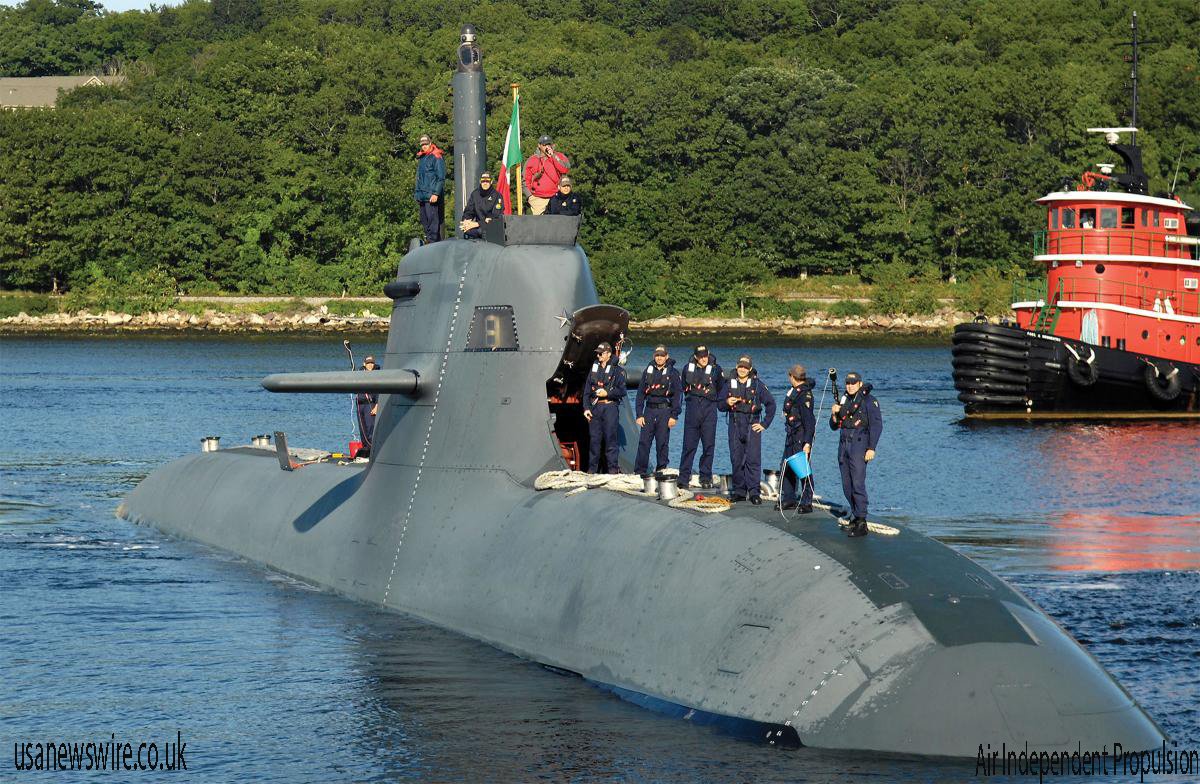
Air independent propulsion is one of the most significant technologicalAir independent propulsio advancements in modern naval engineering. Designed primarily for non-nuclear submarines, this innovative system allows underwater vessels to operate without the need to surface frequently for oxygen. By reducing the dependence on atmospheric air, submarines equipped with this technology can remain submerged for extended periods, enhancing stealth, endurance, and operational effectivesaned
In an era where maritime security and underwater dominance are increasingly critical, air independent propulsion has become a central feature in advanced submarine fleets around the world. From Europe to Asia, leading naval powers are investing heavily in research, development, and deployment of these systems to strengthen their underwater capabilities.
This comprehensive guide explores the concept, history, working principles, types, advantages, limitations, global adoption, and future prospects of air independent propulsion technology.
What Is Air Independent Propulsion?
Air independent propulsion refers to a system that enables conventional submarines to generate power while submerged without relying on atmospheric oxygen. Traditional diesel-electric submarines must surface or snorkel periodically to run diesel engines and recharge batteries. This exposes them to radar and infrared detection.
With air independent propulsion, submarines can stay underwater for weeks instead of days. The system works by using alternative energy sources or stored oxidizers to power engines and produce electricity, significantly reducing the need to surface.
This innovation bridges the gap between conventional diesel-electric submarines and nuclear-powered submarines, offering extended underwater endurance without the complexity and cost of nuclear reactors.
Historical Development of Air Independent Propulsion
The idea behind air independent propulsion is not new. Early experiments date back to World War II when Germany developed the Walter turbine, which used hydrogen peroxide as an oxidizer. Although the technology showed promise, it faced safety and reliability challenges.
After the war, research continued in various countries:
- Sweden pioneered the use of Stirling engines in submarines during the 1980s.
- Germany developed fuel cell-based systems for Type 212 and Type 214 submarines.
- France introduced the MESMA (Module d’Energie Sous-Marine Autonome) system.
- Japan and South Korea later adopted and refined advanced systems.
Over time, technological improvements in materials, fuel cells, and battery systems have made air independent propulsion safer, more efficient, and more reliable.
Why Air Independent Propulsion Matters
Modern naval warfare places immense importance on stealth. Detection technologies such as sonar, radar, and satellite surveillance have advanced significantly. Any submarine that must frequently surface increases its vulnerability.
Air independent propulsion enhances:
- Stealth capability
- Operational endurance
- Strategic flexibility
- Survivability in hostile waters
For nations that cannot afford nuclear-powered submarines, this technology provides a cost-effective alternative with impressive underwater performance.
How Air Independent Propulsion Works
Although different systems operate using varied mechanisms, the core principle remains the same: generate power underwater without atmospheric oxygen.
Most systems use stored oxygen or chemical reactions to create energy. The energy is then used to power electric motors that drive the submarine.
Key Components
- Energy source (fuel cells, Stirling engines, or closed-cycle turbines)
- Oxidizer storage (liquid oxygen or hydrogen peroxide)
- Power generation unit
- Battery integration system
- Control and monitoring systems
These components work together to ensure continuous and silent power generation underwater.
Types of Air Independent Propulsion Systems
There are several major types of air independent propulsion technologies currently in use or development.
1. Stirling Engine Systems
The Stirling engine is one of the earliest practical systems adopted in submarines.
How it works:
- Uses liquid oxygen and diesel fuel.
- Heat generated from combustion drives a closed-cycle engine.
- Produces electricity quietly and efficiently.
Advantages:
- Proven reliability
- Simple mechanical design
- Low acoustic signature
Countries Using It:
- Sweden
- Japan (earlier classes)
2. Fuel Cell Systems
Fuel cell-based air independent propulsion is considered one of the most advanced and silent systems available.
How it works:
- Hydrogen reacts with oxygen.
- Produces electricity through electrochemical reaction.
- Generates only water as byproduct.
Advantages:
- Extremely quiet
- High efficiency
- Minimal moving parts
Countries Using It:
- Germany
- Italy
- South Korea
Fuel cell technology represents a major leap forward in underwater stealth operations.
3. MESMA (Steam Turbine-Based System)
Developed by France, MESMA is a closed-cycle steam turbine system.
How it works:
- Ethanol and oxygen combustion generates steam.
- Steam drives a turbine connected to a generator.
Advantages:
- Higher power output
- Suitable for larger submarines
Limitations:
- Slightly louder than fuel cells
- More complex
4. Closed-Cycle Diesel Engines
This method modifies traditional diesel engines to operate underwater using stored oxygen.
Advantages:
- Uses existing diesel technology
- Cost-effective
Limitations:
- Increased mechanical noise
- Complex exhaust management
Comparison with Nuclear Propulsion
Air independent propulsion does not replace nuclear reactors but serves as a strategic alternative.
| Feature | Air Independent Propulsion | Nuclear Propulsion |
|---|---|---|
| Endurance | Weeks underwater | Months underwater |
| Cost | Moderate | Extremely high |
| Maintenance | Lower | Very complex |
| Acoustic Signature | Very low | Low |
| Infrastructure Needs | Minimal | Extensive |
For many countries, air independent propulsion offers a balance between performance and affordability.
Advantages of Air Independent Propulsion
Extended Submerged Operations
Submarines can remain underwater up to three weeks without surfacing.
Enhanced Stealth
Minimal need for snorkeling reduces detection risks.
Lower Operational Cost
Compared to nuclear submarines, maintenance and infrastructure costs are significantly lower.
Strategic Flexibility
Ideal for coastal defense, choke-point monitoring, and intelligence missions.
Reduced Acoustic Signature
Especially in fuel cell systems, near-silent operation enhances survivability.
Limitations and Challenges
Despite its benefits, air independent propulsion also presents challenges:
Limited Endurance Compared to Nuclear
While extended, endurance is still less than nuclear-powered submarines.
Storage Constraints
Liquid oxygen and hydrogen storage require space and safety measures.
Complexity in Integration
Retrofitting older submarines can be expensive.
Technological Dependency
Advanced systems require specialized manufacturing capabilities.
Global Adoption of Air Independent Propulsion
Several countries have integrated air independent propulsion into their naval fleets.
Germany
Germany’s Type 212 and Type 214 submarines are among the most advanced fuel cell-powered vessels globally.
Sweden
A pioneer in Stirling engine technology, Sweden continues to lead in silent submarine design.
Japan
Japan initially used Stirling engines and later transitioned toward lithium-ion battery advancements.
South Korea
Korean submarines incorporate advanced fuel cell systems and represent growing regional naval strength.
India
India has invested in indigenous development and foreign collaborations to integrate air independent propulsion into its fleet.
Strategic Importance in Modern Naval Warfare
The geopolitical environment emphasizes underwater dominance. Key maritime regions such as:
- South China Sea
- Mediterranean Sea
- Arabian Sea
- Baltic Sea
have seen increasing submarine deployments.
Air independent propulsion enhances deterrence and intelligence-gathering capabilities, especially for medium-sized navies.
Role in Coastal Defense
Conventional submarines equipped with air independent propulsion are particularly effective in shallow waters and coastal regions.
Their quiet operation and maneuverability make them ideal for:
- Anti-submarine warfare
- Mine laying
- Special operations support
- Surveillance missions
Technological Innovations and Future Trends
The future of air independent propulsion is closely linked to advances in:
Lithium-Ion Batteries
Some navies are exploring high-capacity battery systems that may complement or even replace traditional AIP systems.
Advanced Fuel Cells
Improved efficiency and hydrogen storage methods are under development.
Hybrid Systems
Combining multiple propulsion technologies for enhanced performance.
Green Energy Integration
Research is ongoing into environmentally friendly fuels and reduced emissions systems.
Environmental Considerations
Modern naval technology must consider environmental impact.
Air independent propulsion systems, especially fuel cell variants, produce minimal emissions underwater. The primary byproduct is water, making them cleaner than traditional diesel systems.
However, handling and storage of liquid oxygen and hydrogen require careful environmental safeguards.
Economic Impact and Defense Industry Growth
The development of air independent propulsion technology has boosted:
- Shipbuilding industries
- Advanced materials research
- Energy storage innovations
- Defense exports
Countries exporting AIP-equipped submarines gain both economic and strategic advantages.
Retrofitting and Modernization
Many navies are upgrading older submarines by integrating air independent propulsion modules.
Retrofitting involves:
- Hull modifications
- Battery system upgrades
- Control system integration
- Structural reinforcements
Although costly, modernization extends service life and improves operational capabilities.
Safety Measures and Risk Management
Operating underwater propulsion systems demands strict safety protocols.
Key safety measures include:
- Pressure-resistant oxygen storage tanks
- Fire suppression systems
- Redundant monitoring systems
- Crew training programs
Advances in engineering have significantly improved reliability compared to early experimental systems.
Case Studies of Operational Success
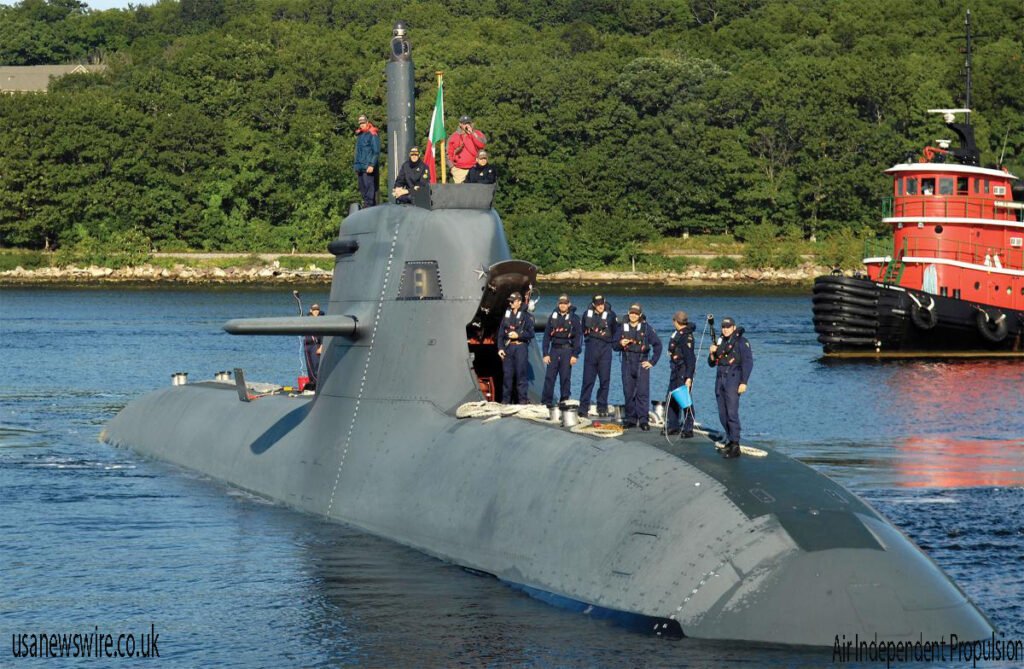
Several operational deployments have demonstrated the effectiveness of air independent propulsion technology.
Submarines equipped with these systems have successfully conducted:
- Long-duration patrols
- Undetected intelligence missions
- Multinational naval exercises
- Strategic deterrence operations
Their performance has reshaped underwater tactical planning worldwide.
The Future Outlook
As underwater warfare evolves, air independent propulsion will remain a crucial element in conventional submarine design.
While nuclear propulsion dominates in superpower navies, AIP technology continues to expand among regional powers seeking enhanced maritime security.
Future improvements may include:
- Longer endurance systems
- More compact designs
- Higher power density
- Enhanced safety mechanisms
The integration of artificial intelligence and autonomous systems could further optimize underwater operations.
Conclusion
Air independent propulsion represents a transformative innovation in submarine technology. By enabling conventional submarines to operate underwater for extended periods without surfacing, this system significantly enhances stealth, endurance, and tactical effectiveness.
From its early experimental stages to its modern fuel cell implementations, air independent propulsion has reshaped naval strategies and expanded the capabilities of non-nuclear submarines worldwide.
As technological advancements continue, this propulsion method will remain central to maritime defense planning, offering a powerful combination of efficiency, affordability, and operational superiority.
read more