


The low fade haircut has become one of the most requested styles in modern barbershops—and for good reason. It strikes the perfect balance between sharp and subtle, offering a clean finish without being too dramatic. Whether you prefer a classic look, a trendy textured top, or something bold and creative, this haircut adapts effortlessly to your personality and lifestyle.
In this detailed guide, you’ll discover everything you need to know about this popular cut: what it is, why it works for nearly everyone, the different variations you can try, how to style it properly, and how to maintain it for long-lasting sharpness.
What Is a Low Fade Haircut?
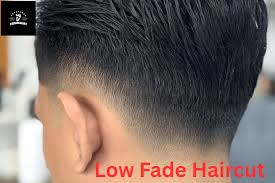
A low fade haircut is a style where the hair gradually tapers from longer lengths at the top to shorter lengths near the bottom, with the fade starting just above the ears and neckline. Unlike high or mid fades, the transition begins lower on the head, creating a softer, more conservative appearance.
The defining features include:
- A gradual blend from skin or very short hair to longer hair
- A fade that starts low on the sides and back
- A natural-looking transition
- Clean and polished edges
Because the tapering begins closer to the neckline, this haircut works well in both professional and casual environments.
Why the Low Fade Haircut Is So Popular
This style continues to grow in popularity because it suits nearly all face shapes, hair textures, and age groups. Here are a few reasons why people choose it:
1. Professional Yet Stylish
It offers a refined appearance that fits office settings while still looking fashionable for social occasions.
2. Works with Any Hair Type
Straight, wavy, curly, or coily hair—this fade complements all textures.
3. Easy to Customize
You can pair it with pompadours, quiffs, comb-overs, textured crops, curls, or even braids.
4. Low Maintenance Compared to High Fades
Because the fade starts lower, regrowth is less noticeable, allowing slightly longer intervals between barber visits.
Low Fade vs. Mid Fade vs. High Fade
Understanding the difference helps you choose the right version for your style.
Low Fade
- Starts just above the ears
- Subtle and clean
- Ideal for professional settings
Mid Fade
- Begins halfway up the sides
- Balanced between bold and conservative
- Great for trendy looks
High Fade
- Starts near the temples
- Dramatic contrast
- Edgy and attention-grabbing
If you prefer a softer look that doesn’t feel too extreme, the lower variation is usually the safest choice.
Types of Low Fade Haircuts
There are multiple variations to suit different personalities and preferences.
1. Low Skin Fade
In this version, the hair fades down to bare skin at the bottom. It creates a sharp, modern finish and strong contrast with the top.
Best for: Bold, clean styles
Works well with: Pompadours, textured tops, and slick backs
2. Low Taper Fade
A more subtle option where only the sideburns and neckline are tapered. The rest of the hair remains fuller.
Best for: Professionals and students
Works well with: Classic side parts and natural hairstyles
3. Low Fade with Textured Crop
This style pairs a faded side with a short, messy or textured top.
Best for: Trendy, youthful looks
Maintenance: Minimal styling needed
4. Low Fade with Pompadour
Longer hair on top styled upward and backward with volume.
Best for: Formal and stylish occasions
Styling tip: Use a strong-hold pomade
5. Low Fade with Curly Hair
Curly textures look especially sharp with clean faded sides.
Best for: Enhancing natural curls
Styling tip: Use curl cream for definition
6. Low Drop Fade
The fade curves downward behind the ear instead of staying straight.
Best for: Modern and fashionable appearance
Effect: Adds shape and dimension
7. Low Fade with Beard
Blending the fade smoothly into facial hair creates a cohesive look.
Best for: Men with full beards
Tip: Ask your barber to blend seamlessly into the beard line
Face Shapes That Suit a Low Fade Haircut
One of the biggest advantages of this style is its adaptability.
Oval Face
Almost any variation works perfectly.
Round Face
Adding volume on top creates height and balance.
Square Face
Enhances strong jawlines and sharp angles.
Heart-Shaped Face
A textured top softens the overall look.
Diamond Face
Maintaining slight fullness at the sides helps balance proportions.
How to Ask Your Barber for a Low Fade Haircut
Clear communication is key to getting the result you want. When visiting your barber:
- Specify that you want a low fade, not mid or high.
- Mention whether you prefer a skin fade or taper.
- Explain how long you want the top.
- Show a reference photo if possible.
- Discuss how you usually style your hair.
Barbers appreciate detailed instructions—it ensures satisfaction on both sides.
Styling Tips for a Low Fade Haircut
The versatility of this haircut makes styling easy. Here are some useful tips:
Use the Right Products
- Pomade for sleek and shiny looks
- Matte clay for natural texture
- Curl cream for curly hair
- Light gel for firm hold
Blow-Dry for Volume
Blow-drying while brushing upward creates lift and structure.
Maintain Clean Edges
Use a trimmer to keep the neckline and sideburns neat between appointments.
Maintenance and Upkeep
While this haircut is relatively low maintenance, regular trims keep it sharp.
- Visit your barber every 2–4 weeks
- Use quality shampoo and conditioner
- Avoid excessive heat styling
- Apply hair oil occasionally for scalp health
Proper care ensures your fade remains crisp and clean.
Is a Low Fade Haircut Suitable for Teenagers?
Yes, it’s one of the most popular styles among teens because it looks modern without being extreme. It works well for school settings and can be styled casually or formally.
Is a Low Fade Haircut Good for Professionals?
Absolutely. The subtle nature of the fade makes it ideal for office environments. When paired with a neat side part or short textured top, it looks polished and confident.
Low Fade Haircut for Different Hair Textures
Straight Hair
Provides a clean and defined transition.
Wavy Hair
Adds natural movement and flow.
Curly Hair
Creates contrast and highlights curl patterns.
Coarse Hair
Works well with skin fades for sharp contrast.
Benefits of Choosing a Low Fade Haircut
- Timeless style
- Works with almost every hair type
- Easy to adapt
- Professional and modern
- Clean and sharp appearance
Few hairstyles manage to combine versatility and elegance this effectively.
Common Mistakes to Avoid
Even though this haircut is adaptable, there are some things to watch out for:
- Not specifying how low you want the fade
- Ignoring head shape
- Choosing products that are too heavy
- Skipping regular trims
Small details make a big difference.
Celebrity Inspiration
Many athletes, actors, and influencers choose variations of this haircut because it enhances facial features without overpowering them. It’s commonly seen on red carpets and sports fields alike.
Can Women Try a Low Fade Haircut?
Yes, modern hairstyling has no strict boundaries. Many women opt for short fades paired with undercuts or creative top styling for a bold and confident look.
Seasonal Adaptability
- In summer, it keeps you cool.
- In winter, it pairs well with longer tops.
- In humid climates, it reduces bulk on the sides.
It’s a year-round hairstyle.
How Long Does It Take to Get a Low Fade Haircut?
Typically, it takes 30–45 minutes depending on the complexity. Skin fades and detailed blending may take slightly longer.
Final Thoughts
The low fade haircut continues to dominate the grooming world because of its flexibility, clean finish, and timeless appeal. Whether you want something classic and understated or bold and fashion-forward, this haircut adapts effortlessly to your style